In case you've noticed I've not posted anything new on this blog for a while, please note that I'm now posting new material on the blog www.ordinarypeoplewhoarent.blogspot.com.
Thanks for taking an interest in my musings and in my books.
All the best.
Chuck Wells

Nude Nuns and Other Peculiar People. Readers all over the world are enjoying the mirthful stories. From top left: Mallorca, Mallorca, Copenhagen, Helsinki, somewhere at sea, Iceland, Italy, Norway, Iceland. Contact the author Charles Wells at charlesawellsjr@gmail.com. Also read Ordinary People Who Aren't. Both books available on Amazon
Sunday, February 5, 2017


Thursday, July 28, 2016
Introducing "Ordinary People Who Aren't: An Anthology"
My second book, Ordinary People Who Aren't: An Anthology is now available. It chronicles the lives of some extraordinary but unheralded people in an entertaining and illuminating fashion.
The book is available online at Amazon or Createspace. It is also available at Rainy Day Books in Fairway, KS or Bruce Smith Drugs in Prairie Village, KS. You can also obtain a book by emailing me at cbjwells@sprynet.com for $12.50 per copy. Add $3.50 for mailing and handling. No mailing charge for orders of 3 books or more.
Check out my new blog www.ordinarypeoplewhoarent.blogspot.com
The book is available online at Amazon or Createspace. It is also available at Rainy Day Books in Fairway, KS or Bruce Smith Drugs in Prairie Village, KS. You can also obtain a book by emailing me at cbjwells@sprynet.com for $12.50 per copy. Add $3.50 for mailing and handling. No mailing charge for orders of 3 books or more.
Check out my new blog www.ordinarypeoplewhoarent.blogspot.com
Wednesday, March 16, 2016
NNAOPP Update - February / March 2016
Mardi Gras
A man reaches a certain age when
he needs little additional stimuli indicating that his expiration date is
nearing. Occasionally a rude
person can't resist the temptation to pile on. Such was the case at this year's Mardi Gras. It was little comfort that the harsh
words weren't aimed directly at me, but instead at a friend and contemporary, as
I was standing nearby.
It was chilly during the
festivities, adversely impacting our conventional beads for boobs bartering banter,
but our efforts weren't totally for naught. One exchange, however, was noteworthy:
"It's very simple, you show
us your tits, and I give you these lovely beads that may, or may not, have been
made out of authentic green pearls from China."
"Oh, I couldn't do that. But I do want those beads." (Turning to her male companion and
handing her drink to him).
"Should I?"
"Go ahead, maybe you'll blow
out the old boy's pacemaker."
While this year's festivities
were marred by the moderately nippy weather, it was still great fun. We enjoyed exquisite dining, fine
wines, and the fellowship of old and new friends. This year we even embarked outside the boundaries of the
French Quarter to attend a delightful house party Uptown and to view a parade
in the confines of a more family friendly atmosphere.
We caught Uber to the party, even
though the surge charge was 4.4 times the normal rate. The driver was a handsome young man
driving a new black jeep. In
casual conversation we learned that he has a regular customer who is a
transvestite prostitute who frequents the projects and requests that the driver
wait whilst he conducts his business.
We were told that while our Uber chauffeur was in constant fear for his
life, the trips were highly profitable.
Sign me up!
In Nola, uptown is to downtown as
Cheryl Tiegs is to Janet Reno.
It's a very nice community.
Owing to my reserve, I often mingle quietly taking in the sights and
sounds of my environs. At our new
friend's house party I overheard several conversations each with a similar
theme, "I'm living in xyz now, but I can't wait to return to New
Orleans." This contrasted to
a party I attended in a northern city, which will remain nameless so as not to
offend its inhabitants, wherein the Eric Burden-Animals-like refrain commonly
expressed was, "We've gotta get out of this place."
A quick gander easily persuades
one of the advantages of living in such a nice neighborhood. While viewing the Troth parade on
Magazine Avenue, near the Whole Food's store on Joseph Street, I met an older
lady city sitting on a bench. I
asked if I could join her, as I was tired of standing and dodging the
rapid-fire barrage of beads emanating from the floats. She politely moved over, and welcomed
me. It was sunny and about 60, but
she was wearing a Chinese-communist-style head covering more suitable to those
actively engaged in the Korean War, but I said nary a word even when her ear
flaps fluttered in the gentle breezes like a Cocker Spaniel's ears. I would periodically return to our
friends and fellow partiers at the intersection of Joseph and Magazine, but
kept returning to my new Chi-Com friend.
On one such occasion she gave me a toy New Orleans Saints football, she
somehow retrieved from the crowd.
I thanked her, and we exchanged names. Hers was Peaches, although she spurned the conventional
two-syllable version, instead choosing eight.
Regrettably, we were not as
fortunate as in years past in encountering extremely bizarre people. I did chat briefly with our transgender
acquaintance while entering Patrick's Bar Vin. Earlier she had emailed our host in an unsuccessful attempt
to inveigle an invitation to stay in his apartment. She greeted me icily, forsaking her usual air kiss, and
moved on.
Patrick's continues to be the
most fertile spot for the unusual, not the least being Patrick himself who on
one evening wore a black top hat on his baldish pate and a pink velvet sports
coat. It would be difficult for
many men to pull this off, but not Patrick. While drinking a glass of wine innocuously on one of his
couches, I sat betwixt a buxom woman dressed like Marie Antoinette and an
attractive older woman, roughly my age, wearing all black, as though she was on
her way to a funeral. The latter
told me that she used to be a Playboy bunny and once was Miss April 1969. She explained that the former Playmates
now have reunions and such. One
doesn't often think of Miss April getting old.
Banjo
A few weeks ago, Judy returned to KC so I was batching it in
Sanibel. I dined alone at Traders
and sat at the bar. Inexplicably, I chatted with the couple next to me.
They were originally from Rochester and now live full time in Sanibel.
During the course of conversation Bob mentioned he has been into music
all his life, and I told him I was an aspiring banjo player. He became
animated and said he had a gig coming up in a few weeks, and a few of the songs
he would be doing would sound better with a banjo accent.
A few days later, and after forewarning him of my limitations,
I drove to his house banjo in hand. I was a wee bit nervous. He has a small recording
studio, and he had written the chords for several songs for me to follow.
We went through it a few times trying varying keys, and it wasn’t too
bad. He has a nice singing voice, and this was the first time I’ve tried
to play with someone singing. He would switch from rhythm guitar to
piano, and I played some relatively simple rolls.
He liked my version of Blackbird and a few clawhammer tunes
I’ve learned, but we basically worked on his songs, all new to me.
He quickly grasped my lack of music theory and patiently
spent some time discussing the logic of chord progressions and the inflections
provided by minor chords. After an hour and a half, he handed me the
music to a portion of his song list and said, “Go learn these. I’ve got another guy coming over.
He’s a retired orthopedic surgeon and possibly the best guitar player on
the island. We’re rehearsing for an upcoming performance at George and
Wendy’s. He used to play lead in a rock n roll band in Minnesota.
I’ve learned a lot from him. But he hates banjo, so you’ll have to
put yours away. You’re welcome to stay and listen if you want.” I
did, and they were very good, and the guitar guy was quite nice even allowing
for his antipathy to the worthy banjo.
A few days later an email arrived saying,
I love
your banjo and I think we can do a few songs once we rehearse together.
I would
like to iron out the Emmy Lou Harris song to get started.
Let me
know when you want to get together.
We subsequently rehearsed three
more times and, on Saturday night, provided the background music at the open
house of an art gallery. I'm
pleased to say that it turned out pretty well, and no one suffered
life-threatening injury. It was a
perfect venue, as few amongst the assembled art lovers paid much attention to
us. We nailed Blackbird, Let it
Be, Greenback Dollar, and Belle Starr, but Sweet Home Alabama was a little rough. (It should be noted that 'nailed'
basically means we started and ended at the same time). One lady kindly said, "You guys
sound like the Kingston Duo."
We may have two more gigs lined up over the next month.
Book II
Last weekend I finished a draft
of the manuscript of my second book, Ordinary People Who Aren't: An Anthology, and sent it to my
editor. That sounds a bit
pretentious considering my editor is also my brother, and was a former English
major at Coe College and, in a case of classic misdirection, instead became the
world's best mattress salesman.
His primary claim to literary fame was that the commencement speaker at
his graduation was none other than Truman Capote. In any event, I waited with bated breath for his
feedback. Had he hated the
manuscript, I would have been in a pickle. Fortunately, he liked it and made some constructive suggestions
that I will now incorporate. Judy
is now applying her magical editing skills, graphic design guru Frank Addington
is helping me noodle through a cover design, and hopefully Book II will soon be
ready for public consumption.
I was thinking of buying an ad in
the NYT to announce the publishing date, or perhaps I'll just host another wine
tasting, book signing event in my driveway.
All the best.
Chuck
Wednesday, January 6, 2016
Wylie
Abraham Wylie Bettinger
1986 - 2015
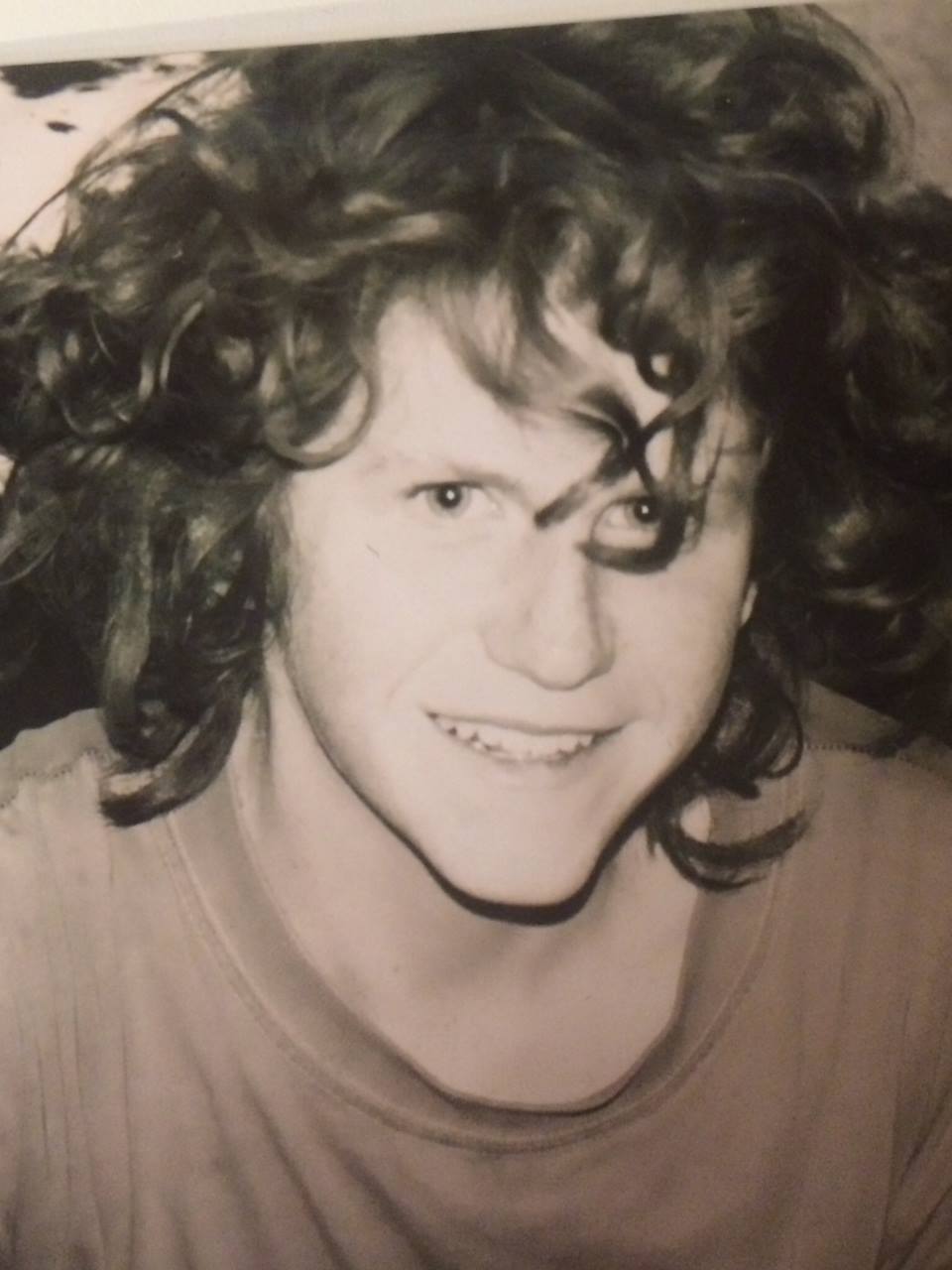
This is a story
about a truly unique young man who cut a wide swath during his short life.
Wylie's illness
made it impossible for him to sit quietly for any period of time, making school
difficult. Many of his teachers
lacked even a molecule of empathy making matters even worse, but he didn't take
it passively. It could truthfully
be said that, in teacher-speak, he 'acted out' often. In 5th grade he organized a strike against a
teacher that would not allow him to run for class office. In junior high art class he was
assigned a project to draw a cartoon.
He drew an Al Hirschfeld-like (New
Yorker fame) caricature that was impressively sophisticated. But in tiny, almost imperceptibly
small, letters he wrote 'eat shit' in the eyes. His teacher first displayed the remarkable piece in a
place of prominence. An alert
classmate pointed out the epithet causing riotous guffaws amongst the
adolescents and anger from the teacher.
She destroyed his work of art and banished Wylie to the furnace room to
spend the rest of the day with the janitor. This turned out well for both Wylie and the janitor, as they
became fast friends. John Cougar
Mellencamp sang it, but Wylie lived it, "I fought authority, authority
always won."
Wylie's business
may have been on the cusp of greatness.
Shortly before his death he signed a three-year lease for expanded
space, bought a new labeling machine, upgraded the printing for his labels,
added three new flavors, and engaged a distributor expanding his reach to
stores from Portland to Northern California, including New Seasons Markets, the
regional equivalent to Whole Foods.
Bottles of Wylie's Turmeric, Ginger Ale, and Root Beer had some how
found their way into a Whole Foods in NYC. His next major project was the installation of an automated
bottling line. Unusual for a near
mystic, he was a skilled brewer and an astute marketer of his healing jun soft
drinks. It was clear from recent
business decisions that his plans didn't include dying. Wylie's Honey Brews was poised to take
off like a rocket.
Michael is a
Native American man in his 40's, ruggedly handsome with a wispy beard and
moustache and was one of Wylie's closest friends. They shared many common interests as members of the Red
Earth Descendants, and they sang and drummed in the same longhouse group, an
eclectic group of native and non-native Americans who once performed before the
Dalai Lama. He told how they met
shortly after Wylie arrived in Ashland.
"A group of Native Americans were playing stick ball, a form of
lacrosse, in the park. It's a
pretty rough game, and this little red haired boy was sitting nearby
watching. I would later learn he
had recently recovered from a bicycle accident where he suffered a spiral
compound fracture in his leg. He
asked if he could play, we said 'sure', and he's been part of the Red Earth
Descendants every since."
Michael,
continued, "I've known several tough Native American men who were terribly
racist. They hate whites
passionately, but they loved Wylie.
They learned so much from him, and he learned from them. He had the ability to relate to a wide
range of people. I've never met
anyone who better bridged the gap between native and non-native peoples. He would approach a homeless man the
same way he would a rich man. He
would be respectful and listen with sincere empathy."
"Wylie is a minor celebrity in
Ashland. People in Eugene also
know of him. He has an almost
mystic quality that enables him to connect to people from all walks of life. He
greeted every new person in his life as a friend. Perhaps because he didn't
have a wife or children, it made him approachable to everyone, almost like a
shaman."
The Celebration
Ashland is a
town of about 20,000 located in the Rogue River Valley about 10 miles north of
the California border. It is home
to Oregon Southern University, the Oregon Shakespeare Festival, and a large,
but transient, community of people once known as hippies. Wylie loved Ashland, and Ashland loved
Wylie. Over 300 souls packed the
Ashland community center adjacent to Lithia Park to celebrate his life. For one who trod the earth so lightly,
he left large footprints.
Michael served
as the informal master of ceremonies.
Wylie had been warmly welcomed into the Native American community, and
his celebration was conducted accordingly. Six singers sat around a large drum and opened with several
Indian burial songs. Their leader
spoke of how the next journey can take up to a year as the spirit winds its way
to a new home by way of the Milky Way.
He explained that they wouldn't mention the departed by name, so as to
not confuse the spirit world.
Two elders, both
significant personages, spoke of their love for Wylie, Roy, the great grandson
of Chief Joseph of the Nez Perce tribe and Eddie, the great grandson of Sitting
Bull of the Lakota tribe. Family
members were pleased but puzzled when Roy privately referred to Wylie's as an
elder. He explained that Wylie was
wise beyond his years, and his departing spirit was now worthy of that
tribute. Roy loved Wylie deeply,
and Wylie often spoke of 'Uncle' with reverence. Michael explained that had Roy been in charge of the
ceremony, there would have been 3-4 hours of songs not 3-4 songs. Michael told me, "After you meet
Roy, go online and look at a picture of Chief Joseph. The resemblance is startling." He was spot on.
The room was
built for 100 and there were chairs for 100, but the overflow crowd filled
every inch of space. All listened
intently and politely as friends of Wylie came forward to share stories. The Native singers / drummers finished
with a few more songs, followed by a potluck dinner and sampling of Wylie Honey
Brew beverages. Eighteen cases,
three of each of his six flavors, were devoured.
It was
instructive to mix, listen and learn how people knew Wylie:
Stella Jane
Stella was one
of the people who came forward during the celebration and spoke lovingly of
Wylie. She also spoke passionately
of corn and how Wylie helped her plant and harvest the various ornamental
varieties that are important to Native Americans. She urged young people to take up the task as she is 70, and
her knowledge must be passed on.
One doesn't
really chat with Stella; one gets cornered. She holds some pretty radical views, but as long as the
listener nods appreciatively, no one gets hurt. I asked her how she met Wylie.
"I live in
a yellow school bus that I park near the Wellsprings Center. I farm a few rented acres nearby. It was a Christmas morning, and I heard
a knock on my door, and it was Wylie and his sister Cory. I'd never seen him before in my
life. He said, 'I don't know if
you celebrate Christmas or not, but could we come in and share some of our
tea?' We spent the rest of the
afternoon together, and I've loved him ever since."
Infinity
While waiting
for the celebration to begin, I sat next to a tall, thin young man with
crutches. When he stood up, I
noticed he was missing a leg, and I would later learn that resulted from a
motorcycle accident ten years earlier.
His face, neck, and all visible parts of his body were covered in
tattoos. We talked for some time
giving me the chance to carefully look at him, but I could find no perceptible
design or pattern for the markings.
He had matching rings stuck in his lower lip, and his hair was cropped
on the sides with a Mohawk-like band of long hair running across the top of his
head. His manner of speaking
reminded me of the Beau Bridges character, Dude, in the movie The Big Lebowski. Oddly, I looked more out of place at
the gathering than did Infinity.
He had just returned from the 'give away' table proudly displaying
Wylie's former backpack, explaining how much he needed such an item. We introduced ourselves and chatted.
"Wylie and
I were kindred spirits. I'd see
him around town, and we'd visit and maybe share some of our possessions. He would always be interested in what
and how I was doing. We were
brothers."
I asked him how
he came to be known as Infinity, and he explained, "My name used to be
Rex, but about a year ago I used that word in response to a question, and it
didn't feel right. I believed that
was a sign from God, or whatever label you choose for your spiritual father,
and He told me to change my name.
I looked at the tattoo of the infinity symbol on my left wrist, and I
had just started a drug rehab service I dubbed Infinity, so I decided to call
myself Infinity. My full name is
now Infinity Ra El."
"Is that on
your driver's license?"
"I don't
have a driver's license."
Jeanine
"I visited
Wylie when he first went into the hospital in Ashland. He took his briefcase and some work
with him. In typical Wylie fashion
he insisted that we not tell anyone he was in the hospital. He called the day before he died to
tell me that he loved me. The
night after he passed I dreamt of Wylie dressed in a bright blue shirt with
polka dots accompanied by an unrecognizable friend. He was skipping and happy. It was totally out of character for cynical Wylie. He was a friend to everyone, but he
only let a few people get close to him."
Hawaii Guy
"I owned
and operated a perma-culture organic farm in the Pangaia Region on the island
of Hawaii, when I met Wylie. He
was only about 15 or 16 at the time.
He came as part of a Willing Workers on Organic Farms (WWOOF) group, and
we became acquainted. I introduced
him to the healing benefits of turmeric and ginger, my two primary crops. These ingredients would later form the
basis of his two best selling sodas.
Wylie was a sponge for information. He was willing to do whatever was necessary to learn more
about everything."
"I moved to
the Ashland area in 2004 continuing to farm turmeric and ginger. Serendipitously, Wylie came to the
area, started Wylie Honey Brews and became one of my best customers."
Banjo Man
An older man was
sitting in the back of the hall holding a Deering Good Time banjo in his
lap. He was wearing a Tyrolean
style hat, a loose fitting, nearly ragged, wool sports coat, and dirty khaki
shorts. A meaningful portion of
his teeth were missing, and his fingernails were nearly one inch long, unusual
for a banjo player. After the
formal celebration people were gathered on a nearby patio eating their potluck
delights and drinking Wylie's beverages. Banjo guy was playing and singing accompanied by a
pretty young girl with a percussion instrument. He had a raspy, but pleasing, voice. In between songs we chatted, and he
explained the long fingernails and only played chords fretted with the flat of
his finger. Then he asked if I'd
like to hear his version of Wylie's Honey
Brews done to the tune of Bascom Lamar Lunford's Good Old Mountain Dew?
It was pretty darn clever, and he kept the critical phrase, 'Them that
refuses are few.' It would have
been the perfect theme for Wylie's ads.
Older woman with Bernie Sanders button
"Did Wylie
dye his hair?"
After laughing,
I replied, "No. Why do you
ask?"
"I don't
really know Wylie. I would see him
around town, and he would greet me with a warm smile. I would see him leaving Tai Chi when I was going in, and he
just seemed like a wonderful young man.
When I read about his death in the paper, I thought I would just come
and learn more about this wonderful spirit."
"But his
bright red hair seemed to be a slightly different shade each time I'd see
him."
I explained
about his illness and how it affected his skin color and perhaps his hair
coloring as well.
From a business associate
"I was
walking in Lithia Park when a commotion caught my eye. There was a grouping of deer surrounding
something that I couldn't see. I
was intrigued so I moved closer and saw Wylie in their midst performing some
form of meditative Tai Chi exercises.
The deer were mesmerized."
From a pretty young woman
"I met
Wylie ten years ago. I was having
a bad day, so I walked down to Lithia Park. I saw Wylie sitting alone on a park bench. I didn't know him, but I felt
comfortable joining him. I sat down, and we chatted, I felt better instantly,
and we've been friends every since."
Another pretty young woman
"A group of
us were living communally in a large house on Ohio Street. One day, Wylie showed up in his blue
truck filled with 1,000 lbs of pears and a fruit press. He needed help juicing the load before
he had to return the borrowed tool, and we all pitched in. It was hard work, but we've laughed
about it forever and that's how we met Wylie."
And another pretty young woman
"He wanted
his sodas to be perfect. I
remember helping him in the early stages of fermenting and brewing his
sodas. He'd bring them to my house
to test taste, but they would mostly blow up when you'd twist off the cap. Everything was a huge mess, but he kept
working at it until he perfected the product. Later, Wylie would contribute sodas to every event we
organized. I'd offer to pay, but
he'd always decline."
And another
"I remember Wylie's fig phase where he started dozens of
fig trees and planted them up and down the highway."
A young man
"I didn't
really know Wylie, but I knew of him.
I figured there'd be a lot of hot chicks here."
Wylie's House
On Sunday
morning family and friends again gathered at Wylie's house to help clean up and
dispose of his remaining possessions.
A 10-point buck stood in the midst of beehives in the apple orchard in
Wylie's front yard. His back yard
is shaded by large Douglas firs and Lodgepole pines and is bordered by Lithia
Creek, a tributary of the Rogue River.
Two bucks, a half dozen does, and an abundance of squirrels appear to
have made the place their home. As
we were about to leave, a large gray owl watched over us from a perch high in
one of the Douglas firs. The owl
waited until everyone came out from the house for a suitable viewing, and then
it flew off. Wylie's rented
property was a veritable Snow White scene, lacking only bluebirds holding a
cape and singing.
Wylie loved
bees. He once observed a swarm of
bees balled together at the top of a Douglas fir in his yard. He climbed to it, swatted it down to
the ground and managed to get the swarm safely in a hive. He later found a queen and introduced
it to his hive, repeated the process, and started producing his own honey, the
principal ingredient for his honey brews.
It was a sad moment when a knowledgeable beekeeper came to take Wylie's
beloved hives.
Wylie's illness
caused constant itching making rest difficult, and he rarely slept for more
than a few hours at a time. He
made the best of this bad situation by never allowing his mind to be idle. Wylie's possessions spoke volumes of
his interests. He did not own a
television or electronic games. He
did own several guitars, mandolins, ukeleles, fifes, ceremonial drums, and
thumb pianos. He played them all
well, and he had a beautiful singing voice. His books were about oaks, acorns, plants, bees, herbs,
spices, Native American culture, and philosophy. He had boxes of exotic spices and herbs with which he
experimented to discover new flavors and ingredients for Wylie Honey
Brews. He left a collection of his
beautiful fabric art creations and clever promotional items he designed to
market his brews. His music
assemblage consisted of artists unknown to his totally un-hip 70-year-old
uncle. Most pronounced was the
presence of baskets of acorns in varying states of processing to become
flour. His outbuilding contained unique
tools designed specifically for acorn processing.
A common theme
was sincerely expressed, "He was always there for us. He was kind and gentle. We loved him so. He was an inspiration." But those were his acquaintances. There was also a very small group who
really knew him and knew of his suffering. They knew he couldn't sleep and was in near constant
pain. They knew he had forestalled
death on several occasions, yet he still kept fighting. He used his limited energies to build a
remarkable business, pursued his artistic and musical inclinations, was
supremely curious, and stayed active in causes about which he was
passionate. His inner circle saw
him and knew him at his low points, when the steroids made him crazy, when the
healthcare system attempted to rob him of his dignity, when the pain made him
want to withdraw and quit, and when he felt all alone. And like his family, they loved
him deeply.
Thursday, November 12, 2015
San Miguel de Allende
NNAOPP Update
November 2015
San Miguel de
Allende, Mexico
Earlier I wrote of having dinner
with 84-year-old friend, Bob Fay, when he shared stories of friends he has come
to know while spending the last sixteen winters in San Miguel de Allende,
Mexico. I was mightily
entertained, and he assured me that his retellings represented merely the tip
of the iceberg. I told him,
"I would love to meet these guys." By the next morning Bob wrangled an invitation from Howard
and Bill, former Kansas Citians, now permanent residents in San Miguel, to stay
in their home to listen and record some of their remarkable adventures.
Below is
a snippet from the emerging story about their time with Sally Rand, the
celebrated burlesque fan dancer from the 1930's:
Anna was an elderly black lady who oversaw the operations of Bill and
Howard's 8,000 square foot Hyde Park (KC) mansion. They would explain,
"Anna ran the household, she just let us live there." On the first morning of her stay, Howard
was in the kitchen with Anna when Sally walked in totally nude. "Good morning. Got any coffee? Do you have any garlic salt?"
Anna handed her a cup of coffee and poured a dash of garlic salt in
Sally's hand, and she disappeared.
She was 70 at the time, but she had the body of a 30-year-old.
On the third day Howard encountered an irritable Anna in the
kitchen. "What's the
problem?"
"Mmm! Mmm! Mmm" she murmured, "We're sure seeing a lot
more of Miss Rand than we want to.
I have a feeling she is going to be here for some time." Sally followed the identical routine
every morning for the next five years, much to the delight of the gardener who
timed his coffee breaks accordingly.
And after the prickly start, Anna and Sally developed a deep friendship
becoming inseparable.
We arrived
at Queretaro two hours behind schedule, but Howard was gracious and waited even
though we were responsible for his being over an hour late for the fundraising
luncheon he and Bill were hosting for 70.
We drove
down a narrow, cobblestoned street surrounded by tall stone walls and entered the
handsome gate leading to Howard and Bill's one-acre estate. We walked into a courtyard packed with
well-dressed people. Howard made introductions and began working the
crowd. Liveried waiters offered margarita’s and hors d'oeuvres.
We were
seated at a table set up on the lawn and began the first of a five-course
dinner. A 10-piece Mariachi band serenaded the crowd. Howard took me
aside to comment on the piece being played, "Lost Child." One
of the trumpets played a wailing lament from somewhere distant in the house.
A second answered boldly from the gardens. This continued as the
trumpeters moved about, finally coming together, all to the accompaniment of
four violins and four guitars.
Bob
introduced me to our dining companions, and several said, “Oh you’re, the Nude
Nuns guy”, and they would recite a portion of the book. Bob told them I
had come to write about Howard's stories, and I was quickly invited to Chicago
to speak to a ladies' book club.
Their home is one part art gallery, two parts
Architectural Digest gracious living, and three parts world-class botanical
gardens, all enclosed in immaculate white adobe, tile-capped walls 9' high. There are over 100 different
species of trees in the garden. A
museum quality display of American Indian and pre-Columbian artifacts fills the
entryway. The living room is long and narrow with art covering the interior
wall. Even though my art appreciation capabilities are non-existent, I did note
the presence of a Thomas Hart Benton. The exterior wall features a large
fireplace bracketed by glass doors leading to a veranda and on to the gardens.
Bill's jewelry studio occupies one corner of the hacienda with a separate
entrance off the front courtyard.
I was most impressed by the bronze-framed and beveled glass doors and
windows. It was like looking
through a chandelier.
We
rested after lunch in preparation for a 6:30 dinner party. Our guests arrived, both attractive 50ish
women, neither of whom knew the other. The first just moved to San Miguel from
Palm Beach having just sold her orchid growing business. She knew all of
the characters in the book, The Orchid Thief, and proclaimed that she,
too, was an orchid thief. She told of a trip to the Peruvian Amazon basin
searching for orchids. Her companion, the chief botanist for the St.
Louis botanical garden, was arrested, but she escaped. The also spoke of a
trip to Burma in search of exotic orchids. She is tall and slender and told of once losing to Chris Evert
in a national level junior tennis tournament. She is an heiress of a family whose name you'd recognize,
and she despises Chilangos, the nouveau-riche Mexicans who apparently treat
everyone shabbily.
The
second lady hailed from Toronto’s aristocracy and was uncommonly gracious. She
seemed genuinely interested in my book and the stories that brought me to
Howard and Bill’s. We learned that her godfather was Edward Brooke, the
late senator from Massachusetts, and her cousin is Ruth Bader Ginsberg. I told them that I know the owner of
the now defunct Prairie Village Standard station. At one point in the conversation, I mentioned ‘my wife’, and
she seemed mildly disappointed saying, “Oh! I thought that you and Bob were
partners.”
Howard kept us on a busy schedule throughout our seven-day stay
attending cocktail parties, lengthy comidas (lunches), dinners, impromptu
gatherings and house calls in and around San Miguel. We made side trips to nearby Queretaro and Celaya, traveling
by car and bus. The premo bus from Queretaro to San Miguel offered luxurious
accommodations, think first class on Lufthansa, for the modest sum of 115 pesos
($7 U.S.). My expectations
upon arriving in central Mexico had sadly and erroneously been formed from
exposure to border towns. Open
eyes quickly dispelled these misconceptions. San Miguel and Queretaro are beautiful and prosperous
cities.
Our visit was timed to coincide
with the Dias de la Muertas festival.
I'll readily concede that the Mexicans do a superior job of honoring
their dead. On Sunday,
November 1, deceased children are honored. We strolled past several blocks of street vendors en route
to the cemetery. They offer
everything needed to create shrines and decorate tombs for the dead. They also sell tasty treats, my
favorite being long sugared donuts.
The cemetery was packed wall-to-wall with celebrants. Men were scraping and repainting the
white gravestones. Children played
nearby, even sitting on the tombs.
Artistic shrines were created from the petals of yellow magnolias,
colored sand, and photos and personal items of the dead. Mondays are even more crowded when
adults are honored.
The dominant architectural
feature of San Miguel is the Parroquia, located in the center of a 64-square
block section of town dating back to 1520. It towers over the Jardin (Garden), the largest of the
town's plazas ringed with laurel trees manicured in the shape of giant drums.
Seventeenth, and eighteenth century haciendas border the square. They were once the homes of the wealthy
owners of the silver mines in nearby Guanajuato. Most, but not all, of the grand haciendas are repurposed as
hotels, restaurants, museums, government buildings, and retail shops. They are
typically two-story edifices built around a large courtyard. Entry is gained through a wooden or
metal gate sufficiently large for carriages, and each stone threshold reveals
the wear of centuries of carriage traffic. One can almost imagine the grand
lifestyles enjoyed by their 17th century inhabitants.
San
Miguel de Allende was recently designated a World Heritage Site by UNESCO. Situated at 7,200 feet, it is known for
its moderate temperatures, flowers blooming year round, steep cobblestone
streets, and 16th and 17th century colonial architecture. There are no stop signs, stoplights,
fast food restaurants, or evidence of use of motorcycle helmets. There is a large expat community
estimated at 5,000 full time and another 5,000 seasonal residents. The restaurants, shops, parks, and
plazas bustle with activity. A car
is unnecessary. Most destinations
are in easy walking distance, cabs are readily available, and first class
inter-city buses are easy to navigate.
In the evenings, party-goers
packed the Jardin and the surrounding areas. On Sunday morning we watched teams of artists build shrines
around the square. The two adjacent cathedrals on the square held mass before a
full house. At night people dress
in black and paint their faces in varying interpretations of what the dead
might resemble. This usually
involves a white base with the mouth outlined in black and extended with
stitches like the Frankenstein monster.
Everyone was friendly and festive.
Hank's New Orleans Oyster House and Bar, just off the Jardin, is one of
the most popular bars in town, and they were showing the Royals / Mets
game. Go Royals!
One evening Howard and Bill hosted a cocktail party for a dozen
people, and everyone gravitated to the veranda. Abell, the butler, expertly served drinks and hors d'oeuvres,
an interesting assortment of guests chatted, and all was convivial. Howard called for everyone's attention
and said, "You may not realize it, but we have a famous author in our
midst." I thought to myself,
"Cool. Who?" Then he held up a copy of Nude Nuns
and Other Peculiar People and continued, "It is customary that we have
the author come forward and read the last page of his book. Chuck." I was caught unaware, but I was able to stumble through the
story about the Nude Nuns in the hot tub, and I appreciated Howard's kind
setup. He would repeat the stunt
on two more occasions with different audiences.
We met Hugh Carpenter for dinner
at The Restaurant . He is a friend
of Howard and Bill's, a frequent visitor to San Miguel, a wine and food critic
from Napa, CA, the author of several cook books, and a nice guy. After being introduced, he said,
"Oh, so you're Howard's biographer?"
I noticed that his publisher was
Andrews McMeel in Kansas City, and I shared the story of receiving a speedy rejection
letter from that fine firm and being told, "We don't accept book
submissions from people like you."
He explained the fickleness of dealings with publishers, "I've had books that did well and
sold over 200,000 copies, and I've had some that were bombs, barely selling
100,000. By the way, how many have
you sold?" I mumbled into my
hand with a barely audible, "closing in on 1,500."
*****
Howard, 80, is the scion of a
pioneer KC family, an art collector, former college administrator, the
headmaster of a private school, a horseman still riding 2-3 hours daily, and a
hands-on philanthropist. He is funny and uncommonly irreverent, and he gets
away with it. He will say or do
something outrageous, and the recipient will say something like, "Oh,
Howard! You're such a
pill." Anyone else would be
clubbed to death like a baby seal.
Bill, 72, is the son of a barber growing up in Mexico, MO (later
creating confusion when in the process of becoming a Mexican citizen), a decorated
combat Vietnam War veteran, a one-time escort to Imelda Marcos, and now a
celebrated jewelry designer. He is
also a calming influence on Howard.
Howard, Bill, Bob, and I shared
three formal story-telling sessions, each lasting 3-5 hours. As Bob foretold, the Sally Rand tale,
was but one layer of the onion.
Once home, I wrote feverishly trying to get as much on paper as possible
while still fresh and ended up with 33 pages of material. The Howard and Bill and Sally story is
still a work in progress, but it will definitely find a prominent place in Book
II.
I'm still chasing a few other
stories, but my goal is to self-publish Book II in the next few months. I am confident that dozens await.
*****
Being run ragged by an 80 and
84-year-old this past week has given me an entirely new perspective on
aging. A few years ago, a
95-year-old acquaintance told me, "Chuck, if you've got anything that
needs doing, best get it done before 80." I somehow let that self-limiting notion settle in my
impressionable psyche. Time spent
with Howard and Bob has proven to be the perfect antidote.
Quite a few sales trickled in
during the trip to San Miguel.
People who said, "I'll go online and buy your book," did. On a totally different note, Lucy and I
had articles published in the November issue of 'Mission Hills Living
Magazine.' I'm sure father /
daughter articles have appeared before in a single publication, but it can't be
that commonplace. Go Lucy! She is far the superior scrivener. I'm now gaining confidence that I might
some day earn literally tens of dollars from this writing gig. I'm not exaggerating! At the very
least, I'm meeting some interesting people.
And that is what passes for news
from here.
Chuck
p.s. If you have any interest in additional San Miguel tidbits,
read on:
One of the many interesting
people we met was Mary Calderoni, a strikingly pretty artist from a small town
in Texas. She once earned her
living whipping cigarettes from peoples' mouths, ala Lash LaRue. She offered to demonstrate, but I
declined.
The highways to Queretaro and
Celaya follow valleys bracketed by distant mountain ranges. The natural terrain features scrub
trees, grasses, and cactus of varying kinds. There are large swaths of land reminiscent of U.S. corporate
farms lying in stark contrast to smaller cornfields still harvested manually
with hand-stacked cornstalks dotting the fields. Ancient stone fences border many of the properties,
especially the vineyards. It's not
England-like tidy, but I found the countryside to be surprisingly pleasing.
Queretaro is a large, modern
city, 1.5 million, founded in 1530.
It is growing rapidly, presumably as the spillover for commerce from the
overwhelmingly large Mexico City, population 25-30 million. The dominant architectural feature is
an aqueduct built in 1738 that still brings water from the nearby mountains to
the central city. The parks and
plaza are beautiful, clean, and busy.
The cathedrals compare favorably to anything one might see in
Italy.
The road system is not radically
different from the U.S. with two-lane and four-lane highways. The two-lanes
become four when the slower traffic moves onto the shoulder. This forms a 'sort of' passing lane in
the middle. It was a bit
disconcerting at first, but I eventually calmed down. One must die of something. The biggest surprise was the ubiquity of speed bumps. Hitting one of these treasures at 40
mph would launch a vehicle skyward and destroy every working part. Accordingly, people slow down, but then
speed up quickly. It's not quite
as terrifying as riding in a car in China, but it's close.
The roads in the colonial
district of San Miguel are extremely narrow with room for one car only, having
been designed for burros. There are wider streets that allow two small cars to
pass, only if one stops, and the other inches past. It's absolutely amazing that cars retain their side view
mirrors. The major thoroughfares
are paved with flat stones, offering a smoother ride, and easily accommodate
trucks, buses, and the heavy traffic for the city of 150,000.
Houses require neither heating
nor cooling systems. Fireplaces
are used infrequently in December and January.
While traveling back to Queretaro
to catch our flight, we encountered two disheveled young guys standing in the
middle of a busy, high-speed two-lane highway at the intersection of the KC
Southern rail line. They held up
signs saying, "Need money to get to U.S." Howard speculated that they were most likely from Central
America and would soon be hopping a northbound train, assuming they don't first
get squished by an 18-wheeler.
Wednesday, October 7, 2015
Walnut Valley Bluegrass Festival
October 2015
In September Judy and I journeyed
to Winfield, KS for the 44th annual Walnut Valley Bluegrass Festival. The town population doubles for
four days as many of the assembled enthusiasts settle in the tree-lined
campgrounds nestled in the oxbow of the Walnut River.
People-hauling
tractors collect day-trippers from the parking lots, and the sounds of fiddles,
banjos, and mandolins resonate.
Four stages at the Cowley County Fairgrounds offer nonstop performances
starting at 9 in the morning ending after midnight. Thirty-four acts are staggered throughout the weekend along
with amateurs vying for top honors in one of seven contests. Dozens of campground jam sessions
proffer opportunities for players of all abilities. The abundance of unheralded, but gifted musicians, amazed
and entertained. The crowd was
festive, and, apparently in tribute to last year's World Series appearance,
those wearing Royal's attire outnumbered those with tee-shirts proclaiming,
"Paddle Faster I Hear Banjo."
While rushing
from one venue to another, I noticed a pretty young woman in a wheel chair, one
with canted wheels like those used by athletes. I didn't want to stare, but I did gaze furtively. She had a little girl, about three I'd
guess, sitting in her lap, but she didn't have a lap. She had no legs and only a vestige of stubs. She appeared too young to have been a
victim of the Thalidomide disaster dating back to the 1960's. Whatever the origins of her misfortune,
she carried herself with a quiet dignity, and one couldn't help but admire her
grit. And we continued on our way
to the mountain dulcimer contest.
Later we were
sitting in the bleachers of Stage III awaiting the performance of a Scottish
band, The Tannahill Weavers, as they were setting up. My mind wandered aimlessly wherein I pondered that the
Winfield High School teams should have been named the Wipers. What a missed opportunity! Then I saw something that touched me to
my core. The young lady who
earlier caught my attention was wheeling our way, once again with the little
girl sitting in front of her.
It rained hard
earlier in the afternoon. As her
wheelchair reached a grassy surface, the wheels slipped and started to sink
into the soft earth. Then the
little girl hopped off and started running forward but immediately circled
around and began to push her Mother's wheelchair. She was consciously building up speed to insure she would be
of the greatest assistance. It
appeared the little tyke had done this before. Together they managed to reach drier ground and settled in
for the rousing performance featuring pipes, fife, fiddle, and four strong
voices.
And she was joined
by a second woman, also legless and wheel chair bound, presumably her identical
twin.
And I was
reminded of the ancient proverb, "I cried because I had no shoes, and then
I met a man who had no feet."
Other stuff
The first draft
of Book II is now about 80% complete.
I'm chasing stories that have taken me to Wickenburg (AZ), Gig Harbor
(WA), Lakin (KS), New Orleans, and soon to Mexico. It would please me greatly if people enjoy reading the stories
as much as I have had seeking them out.
I'll keep you posted.
NNAOPP
continues to plug along. Sales
have now eclipsed 1,450. I'm now
down to the last 6 copies in my fulfillment center and will soon be ordering a
sixth printing, 25 more. It's not
too soon to start thinking about those stocking stuffers.
That's it from
here. All the best.
Chuck
Charles A. Wells, Jr.
3317 W. 68th Street
Shawnee Mission, KS 66208
816 289-1924
Author of: Nude Nuns and Other Peculiar People
Follow my blog at: http://www.nudenuns.blogspot.com
Available at:
Rainy Day Books, 2706 W. 53rd Street, Fairway, KS
Sanibel Island
Bookshop, 1571 Periwinkle, Sanibel, FL
Twisted Sisters Eclectic Gifts and Floral, Albany, MO
Bruce Smith Drug Store, Prairie Village,
KS
Subscribe to:
Posts (Atom)